
Locating & Positioning
Stepped Pin
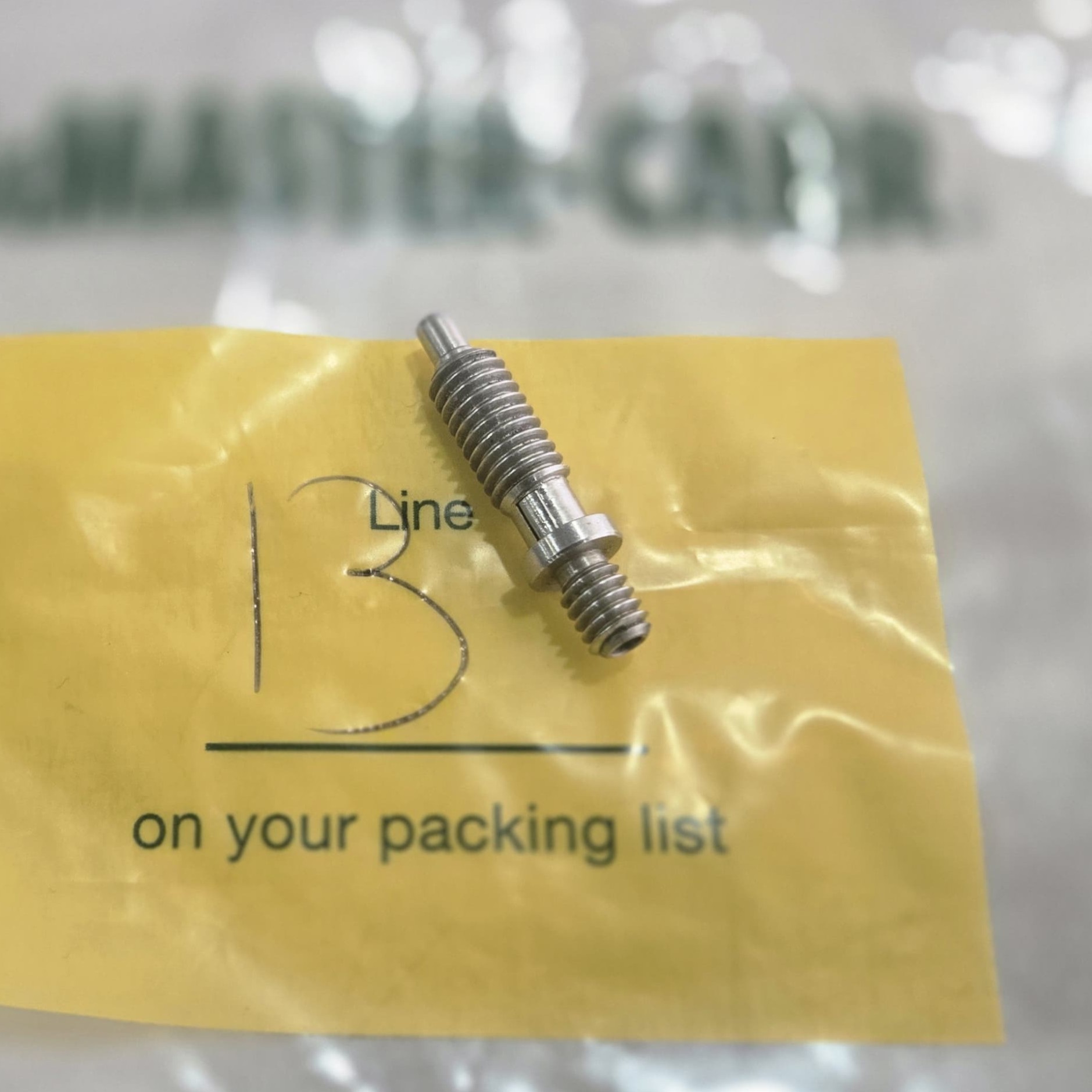
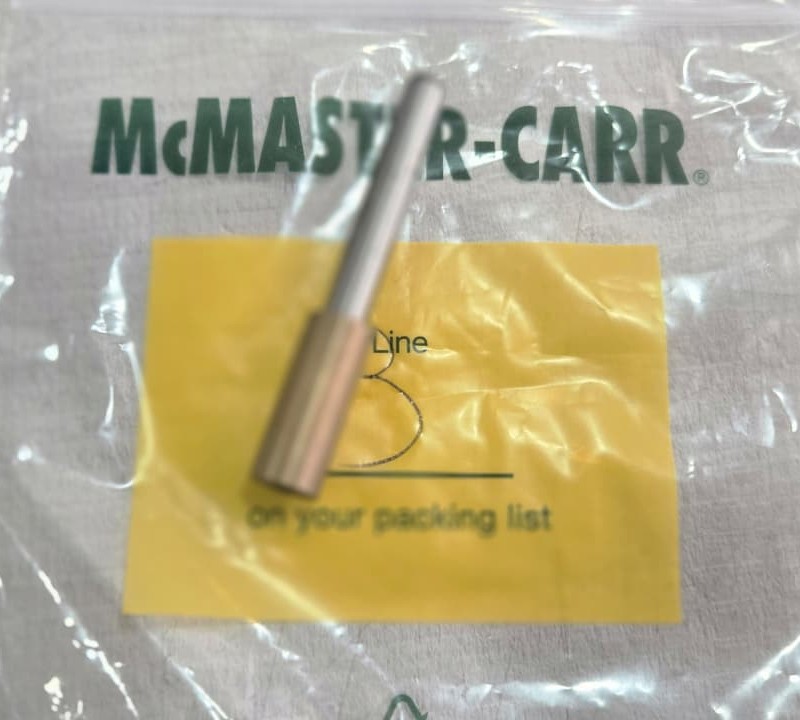
Prauna high-precision stepped pins are engineered for accurate alignment and location in jigs, fixtures, and complex assemblies. Featuring precision-ground shanks with tight tolerances, the integrated shoulder provides a positive mechanical stop for consistent seating depth.
Key Features
Technical Specifications
Product Description
Stepped pins from Prauna provide an essential locational reference point for precision machining and assembly operations. The defined shoulder acts as a positive depth stop, ensuring that the pin is seated exactly where intended every time, eliminating the guesswork of depth setting found in standard dowel pins.
Each pin is CNC-turned, heat-treated, and cylindrically ground to maintain strict concentricity between the varying diameters. Depending on your required application, they are available in press-fit tolerances (such as m6 or p6) for permanent installation into fixture plates, or slip-fit tolerances (such as g6 or h6) for removable alignment uses.
We provide standard configurations including flat, spherical, and diamond/relieved head styles. Our custom capabilities also allow for the integration of tapped holes for easy extraction, or external threads for nut-fastened mounting from the backside of a fixture plate.
Industry Applications
🛠️ Jigs & Fixtures
Workpiece locating, resting points, and alignment references for CNC machining.
⚙️ Die Casting & Molding
Core pin alignment, mold half registration, and ejector mechanisms.
🔩 Assembly Lines
Accurate mating of complex sub-assemblies and chassis components.
🔬 Metrology & Inspection
Datum referencing and precise part holding for CMM inspection routines.
🤖 Automation Tooling
End-of-arm tooling registration and locating nests for robotic pick-and-place.
🚘 Automotive Mfg
Chassis and body panel alignment during welding and fastening.
Installation Guidelines
Hole Preparation: The receiving hole must be precisely reamed to match the required fit. For a standard press fit, the hole tolerance should typically be H7. Ensure the hole is clear of burrs, debris, and cutting fluids before insertion.
Press-Fit Insertion: Do not use a steel hammer directly on the pin head to avoid mushrooming or fracturing the hardened material. Use an arbor press or a hydraulic press for straight, controlled insertion. A brass or plastic drift can be used if manual tapping is necessary.
Slip-Fit with Adhesives: If utilizing a slip-fit pin with retaining compound (e.g., Loctite), ensure both the pin shank and the hole are degreased thoroughly. Apply the adhesive, insert the pin, and allow full cure time before applying locational loads.
Maintenance & Care
Wear Inspection: In high-volume repetitive loading applications, inspect the locating surfaces of the pin for galling, flattening, or excessive wear. Diamond-headed pins used to prevent binding should be checked to ensure the relieved edges are still oriented correctly.
Corrosion Prevention: For carbon steel (EN31) variants used in non-lubricated environments, apply a light coat of rust preventative oil periodically. In washdown or corrosive environments, specify our SUS304 or SUS440C stainless steel variants.
Extraction: For pins press-fit into blind holes, we recommend specifying pins with a tapped hole on the top face to allow for extraction using a slide hammer or jack bolt. Attempting to pry out a flush-seated pin may damage the surrounding fixture plate.