Bearings & Motion
Linear Motion Shaft
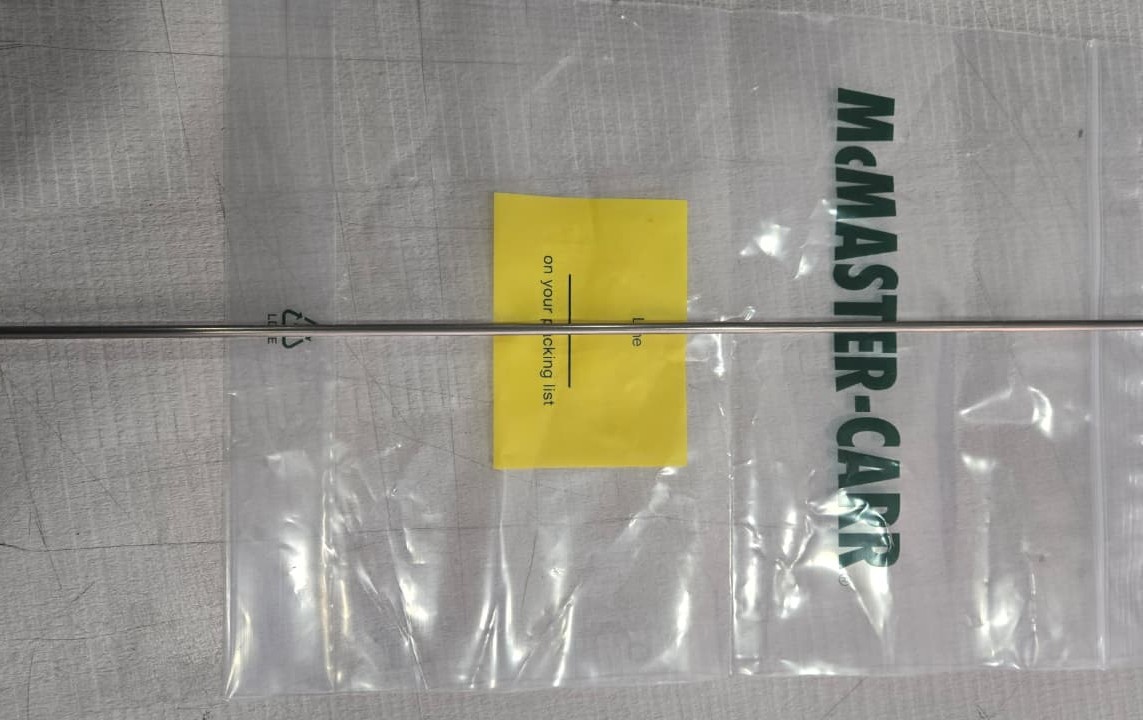
Prauna linear motion shafts are manufactured from high-quality bearing steel, induction hardened, and precision ground to exacting tolerances. Designed specifically to work in harmony with linear ball bushings, they provide smooth operation, minimal wear, and prolonged service life in demanding industrial and automation environments.
Key Features
Technical Specifications
Product Description
Linear motion shafts from Prauna are rigorously processed to ensure peak performance in automated machinery and precision equipment. The manufacturing process begins with high-carbon chromium bearing steel, which undergoes deep induction hardening. This creates a highly wear-resistant outer shell (HRC 60-64) while maintaining a tough, resilient inner core capable of absorbing shock loads.
Following heat treatment, shafts are precision ground to achieve an exceptionally smooth surface finish (Ra ≤ 0.32 µm) and strict g6/h6 dimensional tolerances. This uniform geometry prevents localized wear and ensures friction-free movement when paired with linear bushings or slider blocks.
For applications exposed to moisture or corrosive agents, we offer hard chrome-plated shafts and solid stainless steel (SUS440C) variants. We also provide custom machining services, including tapped ends, radial holes, retaining ring grooves, and milled flats, ensuring the shaft is ready for assembly upon delivery.
Industry Applications
🖨️ 3D Printers & CNC
Guide rods for print beds, extruder carriages, and desktop CNC router gantries.
📦 Packaging Machinery
Actuator guides, pneumatic cylinder shafts, and push-pull mechanisms.
🏋️ Fitness Equipment
Weight stack guide rods for smooth and silent vertical operation.
🏭 Factory Automation
Pick-and-place robots, automated sorting lanes, and material handling systems.
🔬 Laboratory Instruments
Slide guides for automated liquid handlers, inspection stages, and scanners.
🚘 Automotive Manufacturing
Assembly line fixtures, welding robot guides, and testing rigs.
Installation Guidelines
Handling: Precision ground shafts should be handled with care to prevent surface scratching or denting. Avoid metal-to-metal impacts during transit and installation. Do not strike the shaft directly with a steel hammer; use a rubber or brass mallet if necessary.
Mounting: Use appropriate shaft supports (like SK or SHF blocks) or continuous shaft support rails (SBR/TBR types) for long travels to prevent shaft deflection. When installing parallel shafts, ensure the mounting surfaces are coplanar and the shafts are strictly parallel to prevent binding of the linear bearings.
Bearing Fit: Carefully slide linear ball bearings onto the shaft. Ensure the shaft is perfectly aligned with the bearing bore before applying force. Forcing a misaligned bearing onto the shaft will dislodge the internal recirculating balls and permanently damage the component.
Maintenance & Care
Lubrication: Although some linear bearings come pre-lubricated, a thin film of light machine oil or lithium-based grease should be maintained on the shaft surface to prevent rust and reduce friction. Reapply lubrication every 3 to 6 months depending on the duty cycle and operating environment.
Cleaning: Keep the shaft clear of dust, metal shavings, and debris. In dirty environments, use protective bellows or shaft wipers. Wipe the shaft down periodically with a clean, lint-free cloth. Do not use harsh abrasives or corrosive solvents that could damage the surface finish or strip the chrome plating.
Inspection: Regularly inspect the shaft for signs of grooving, flaking, or excessive wear tracks. If deep grooves are felt with a fingernail, both the shaft and the corresponding linear bearing should be replaced simultaneously to restore system accuracy.